Drone cleaning represents a paradigm shift in how we approach exterior building maintenance. Instead of scaffolding, rope access teams, or swing stages, a single certified operator can clean an entire high-rise using autonomous drone technology.
The aircraft: purpose-built, not repurposed
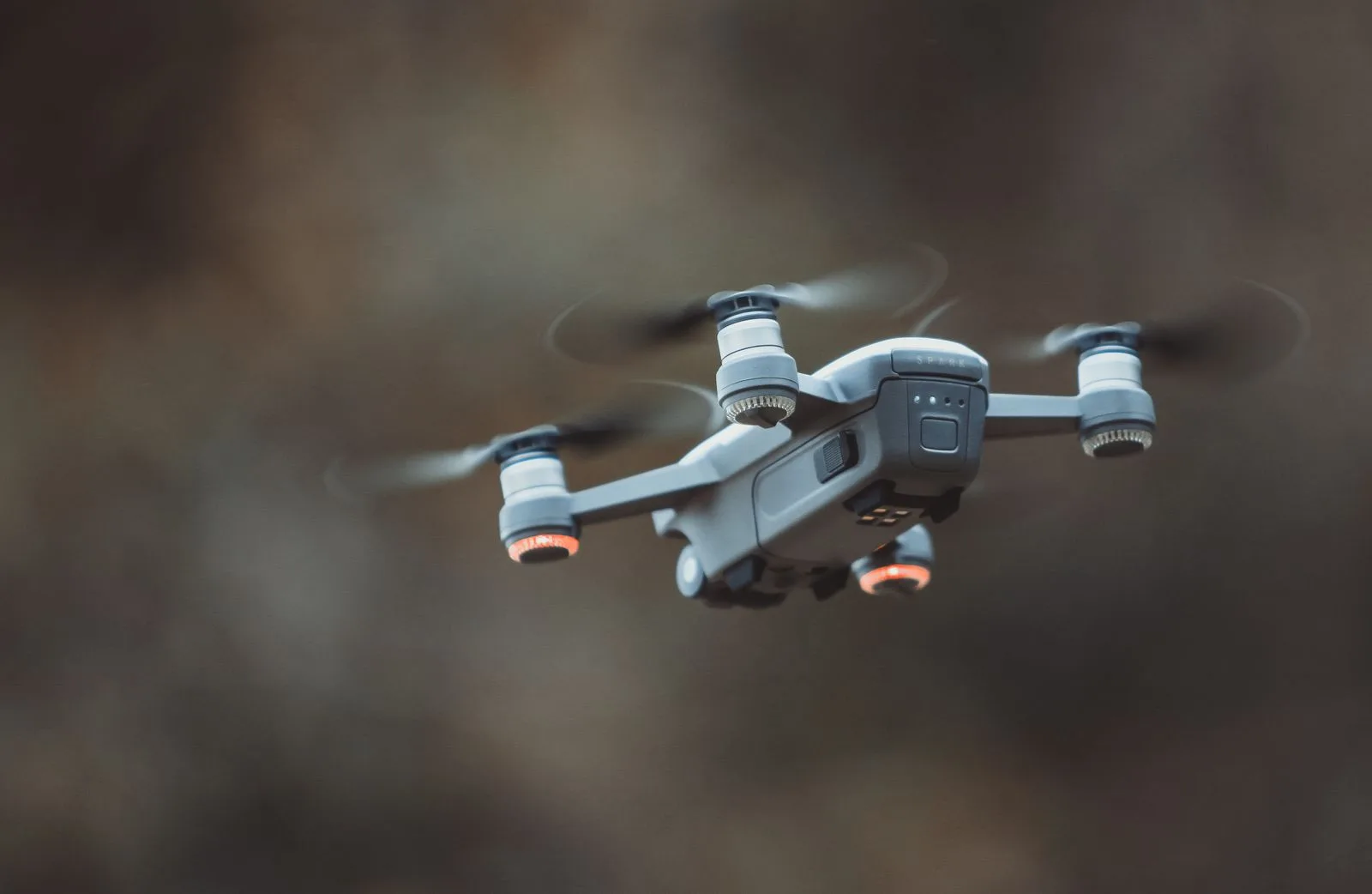
Cleaning drones are not camera drones with a hose taped on. They are heavy-lift platforms rated for 10 to 30 kilograms of payload, carrying pump systems, purified-water lines or onboard tanks, and spray booms engineered for controlled application. Flight times run 30 to 45 minutes per battery, with hot-swap cycles that keep effective uptime near continuous. Redundant motors, obstacle sensing, and tethered power options for long jobs make the platform boring in the best way: it hovers exactly where it is told, in wind that would shut down a swing stage, and repeats the same pass with centimetre precision a human crew cannot match at height.
Step one: mapping before flying
Every job starts with a scan. Using LiDAR and photogrammetry, the drone builds a 3D model of the building envelope — every pane, mullion, spandrel, and setback. The flight-planning software then generates an optimal cleaning path across the model, sequencing surfaces to work top-down with the water flow and flagging obstacles like flag poles, window washers' davits, and balcony furniture. The operator reviews and approves the plan before a single litre is sprayed. This mapping pass is why the second visit to any building is faster and cheaper than the first: the model is already on file.
Step two: the cleaning pass
For glass, the system sprays purified water — filtered to near-zero dissolved solids — which bonds to dirt and rinses without leaving mineral spots, the same chemistry behind water-fed pole cleaning but delivered at any height. For facades, roofs, and heavier soiling, the drone switches to soft-wash mode: low-pressure application of biodegradable cleaning solution, dwell time, then rinse. For industrial surfaces, pressure ratings climb to 3,000 PSI. Nozzle distance and pressure adjust in real time based on surface feedback, so heritage stone and tempered glass each get exactly the treatment they tolerate.
Step three: verification you can watch
Every flight records 4K footage of every surface cleaned. Computer vision flags missed spots during the pass and the drone re-cleans them before moving on. Clients receive the inspection footage with the invoice — not a promise that the work was done, but proof. Facility managers increasingly value this archive as much as the cleaning: it is a quarterly close-range condition survey of their envelope, catching failed sealant, cracked panes, and corrosion years before they become capital projects.
Who flies it and under what rules
Operations are conducted by pilots certified under Transport Canada's RPAS regulations, with advanced certificates for urban work near people and buildings. Flight areas are controlled, spotters are posted where required, and airspace authorizations are filed for control-zone work near airports. The entire operation happens from a ground station — usually a van and two people — which is why setup takes an hour where scaffolding takes a week.
What it means for your building
The practical outcome: exterior cleaning that used to be an annual, disruptive, six-figure event becomes routine maintenance. No anchors on the roof, no liability for workers at height, no lane closures, and a per-clean cost that makes quarterly schedules realistic. The technology is not the point — the economics are.
Key takeaways
Drone cleaning is a mapped, verified, ground-based process — not a gadget demonstration. The building is scanned before it is sprayed, purified water and soft-wash chemistry are matched to each surface, and every pane is filmed as proof of completion. Setup takes an hour instead of a rigging week, which is where most of the cost savings live. Certified RPAS pilots operate under Transport Canada rules with documented flights, so the compliance file writes itself. And because the envelope model persists between visits, every clean after the first is faster and cheaper. For building owners, the summary is simple: the same clean, at any height, with nobody suspended over your sidewalk and evidence delivered with the invoice.