Drone Cleaning Questions, Answered
What property managers and building owners ask most about commercial drone window cleaning, pressure washing, and facade cleaning in Canada.
Can a drone really clean windows?+
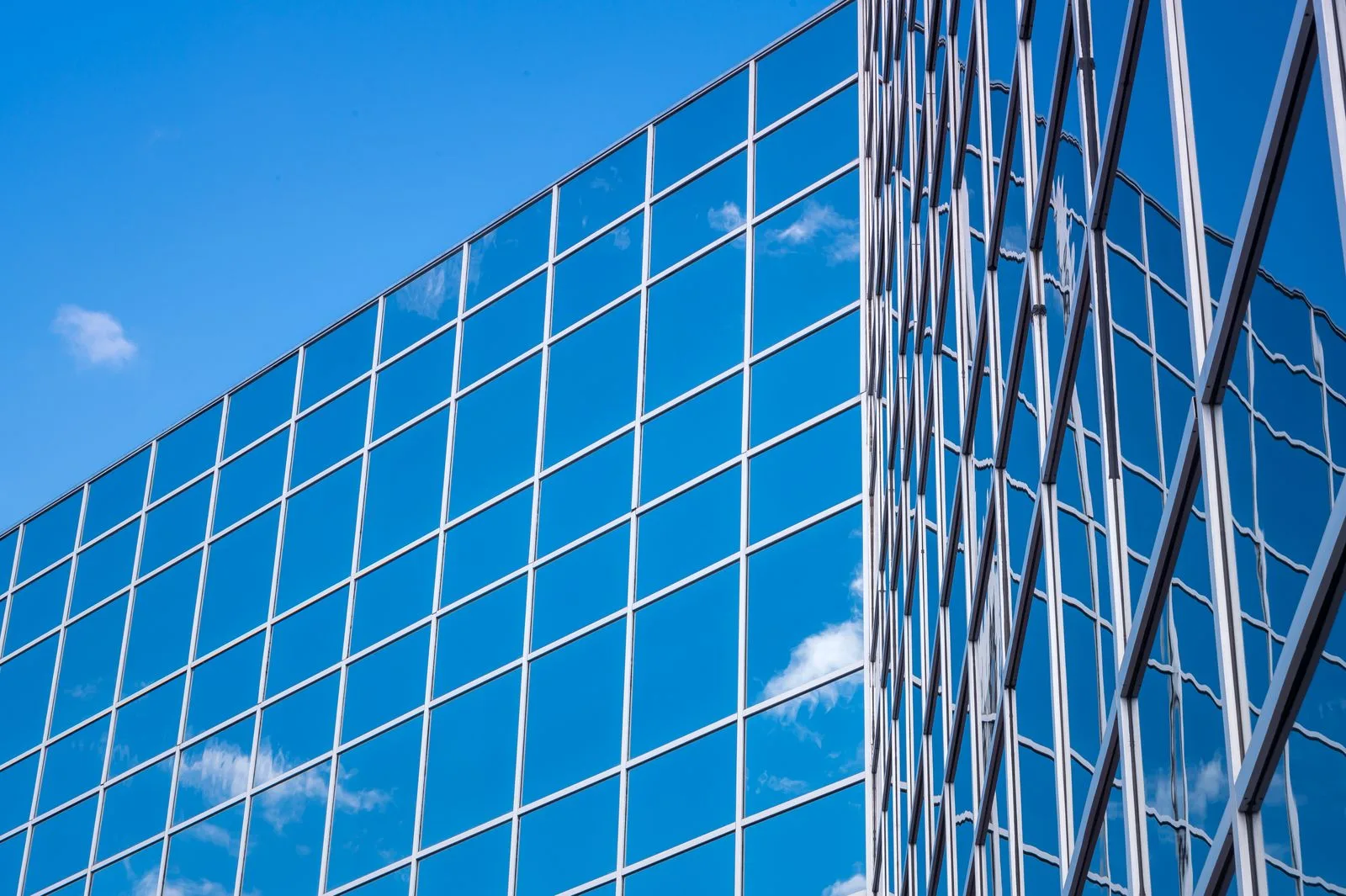
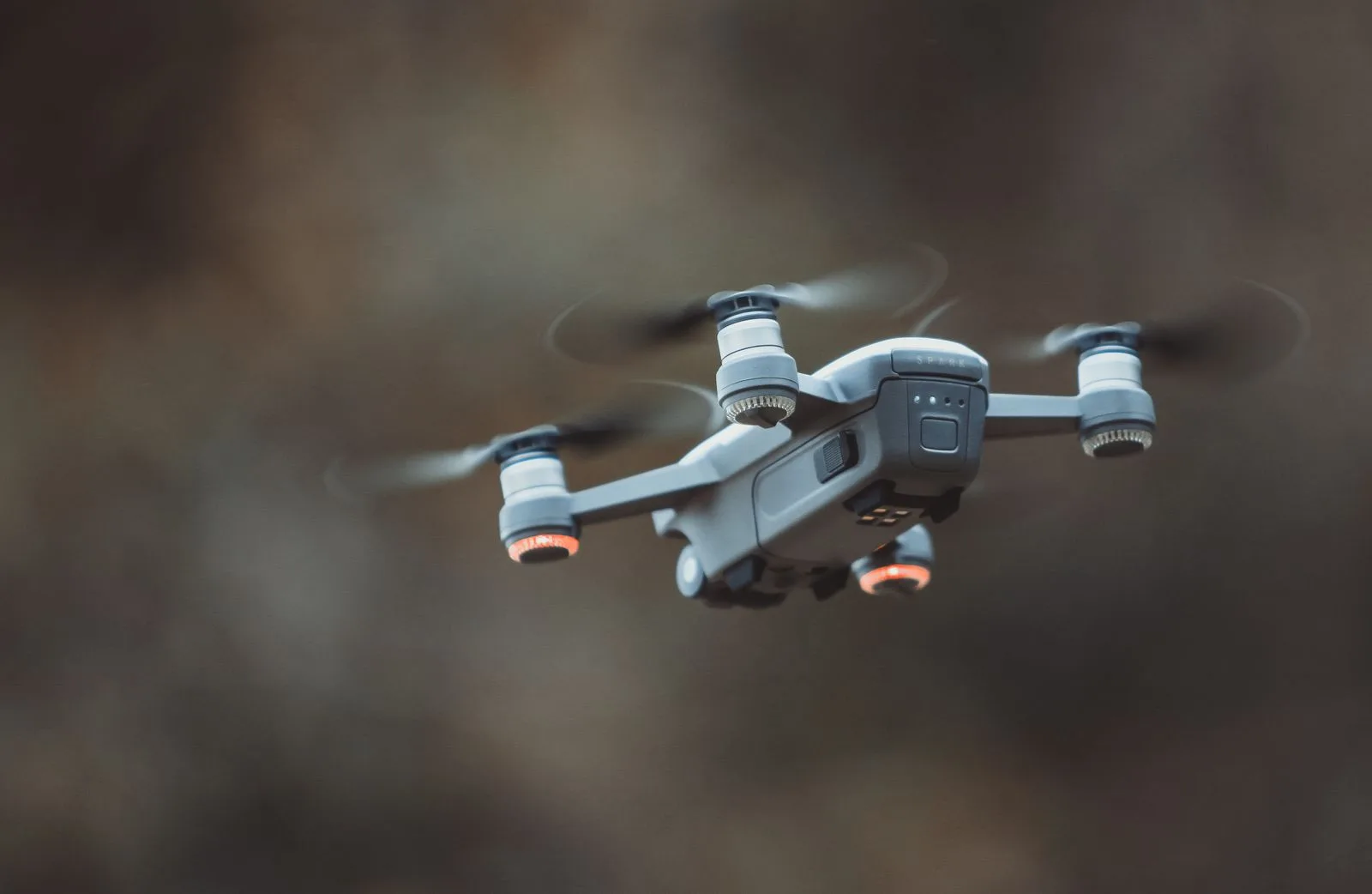
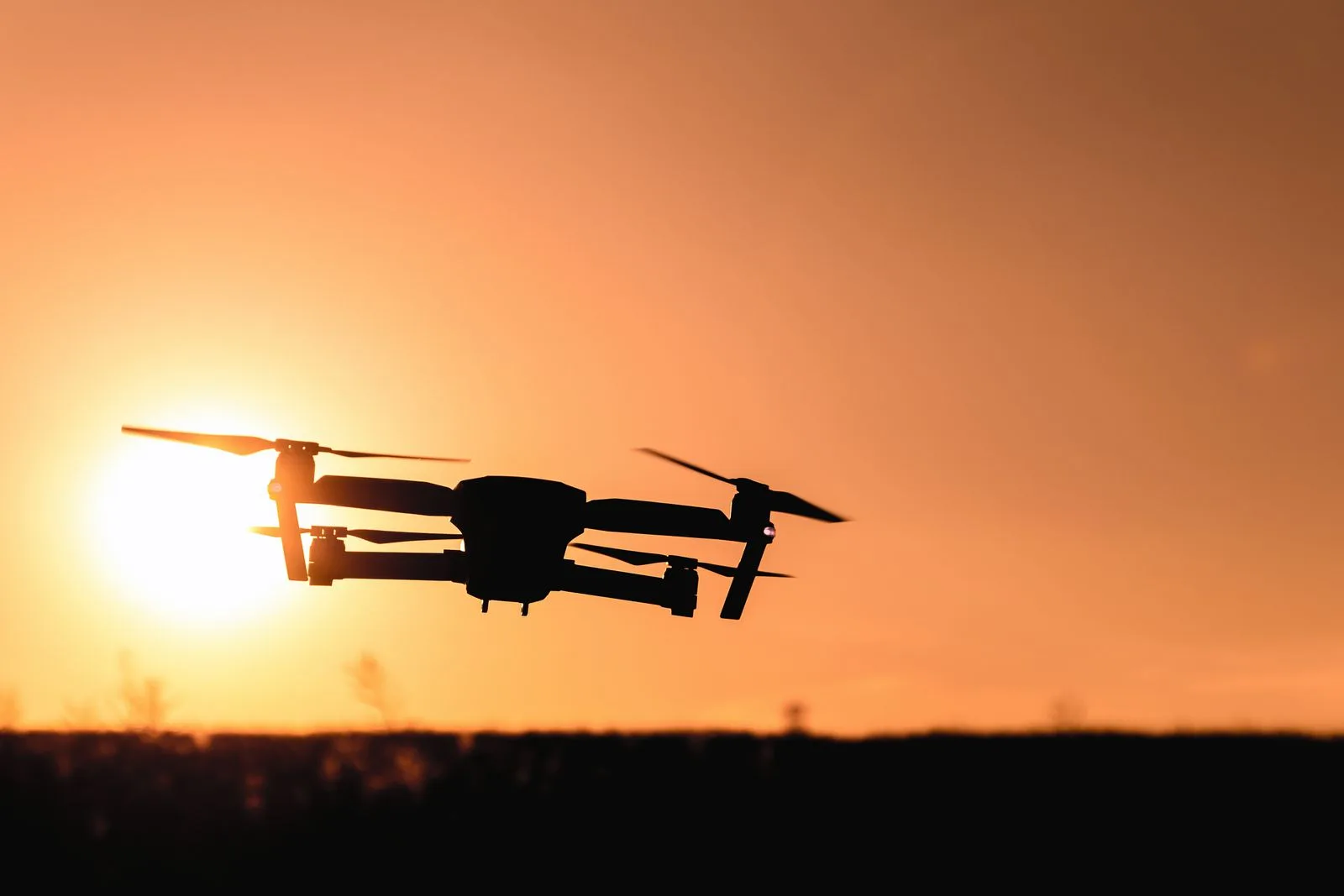
Yes. Purpose-built cleaning drones carry soft-wash and spray systems that deliver streak-free results on high-rise glass, curtain walls, and commercial facades. Instead of scaffolding or rope access, a certified operator flies the drone along an AI-mapped path while onboard nozzles apply purified water and cleaning solution. Drone window cleaning is already in commercial use across Canada for office towers, condos, and industrial buildings where traditional access is slow, dangerous, or disruptive. The results are verified on camera: every pane is filmed during the pass, and missed spots are automatically flagged and re-cleaned before the crew leaves site. Purified water needs no detergent, so there is no residue film to attract the next layer of dirt.
Does drone window cleaning actually work?+
It works well for exterior glass on mid- and high-rise buildings. Drones excel at large, repetitive facades — the kind of commercial window cleaning that would otherwise need a swing stage or rope crew. They remove pollution film, hard-water marks, and salt residue using controlled spray pressure and purified water that dries spot-free. For heavily soiled ground-floor glass or detailed interior work, traditional methods still have a place, which is why most buildings use drones for the high, hard-to-reach areas and crews for the rest. On measurable criteria — spot-free finish, coverage, and repeatability — drone results now match or beat rope-access work on the surfaces they serve, at a fraction of the mobilization.
How much does commercial drone window cleaning cost?+
Pricing depends on building height, facade type, and total glass area, but drone cleaning typically runs 40–60% less than scaffolding or rope access for the same high-rise window cleaning job. A typical commercial tower facade ranges from a few thousand dollars for a single clean to ongoing maintenance contracts billed per visit. Because the work is ground-based and far faster, you also save on permits, lane closures, and tenant disruption. Request a quote with your building details for an exact figure. Because setup cost is near zero, pricing scales with glass area rather than mobilization — which is why quarterly programs often cost less than one traditional annual clean.
Is drone cleaning worth it?+
For commercial and high-rise properties, yes. The biggest gains are safety and speed: nobody works at height, so the liability and insurance exposure of rope access disappears, and a facade that took a rope crew two weeks can be done in days. You also use up to 80% less water. For a one-storey storefront the math favours a traditional crew, but for office towers, condos, solar arrays, and industrial buildings, drone exterior cleaning is usually the lower-cost, lower-risk option. The tipping point is height and access: the taller or harder-to-rig the building, the faster drone economics win, and the more the safety argument compounds the financial one.
What is the difference between a cleaning drone and a robotic window cleaner?+
A robotic window cleaner is a small device that sticks to a single pane and crawls across it — useful for one window at a time. A cleaning drone flies, so it covers entire building facades, curtain walls, and rooftops without touching the surface or needing a person at height. For commercial window cleaning and high-rise work, drones cover far more area per hour and reach surfaces a crawling robot or a person on a lift cannot safely access. For a building owner the distinction is simple: robots are consumer gadgets for single panes; cleaning drones are commercial platforms that service entire building envelopes under aviation regulation.
Is drone window cleaning safe?+
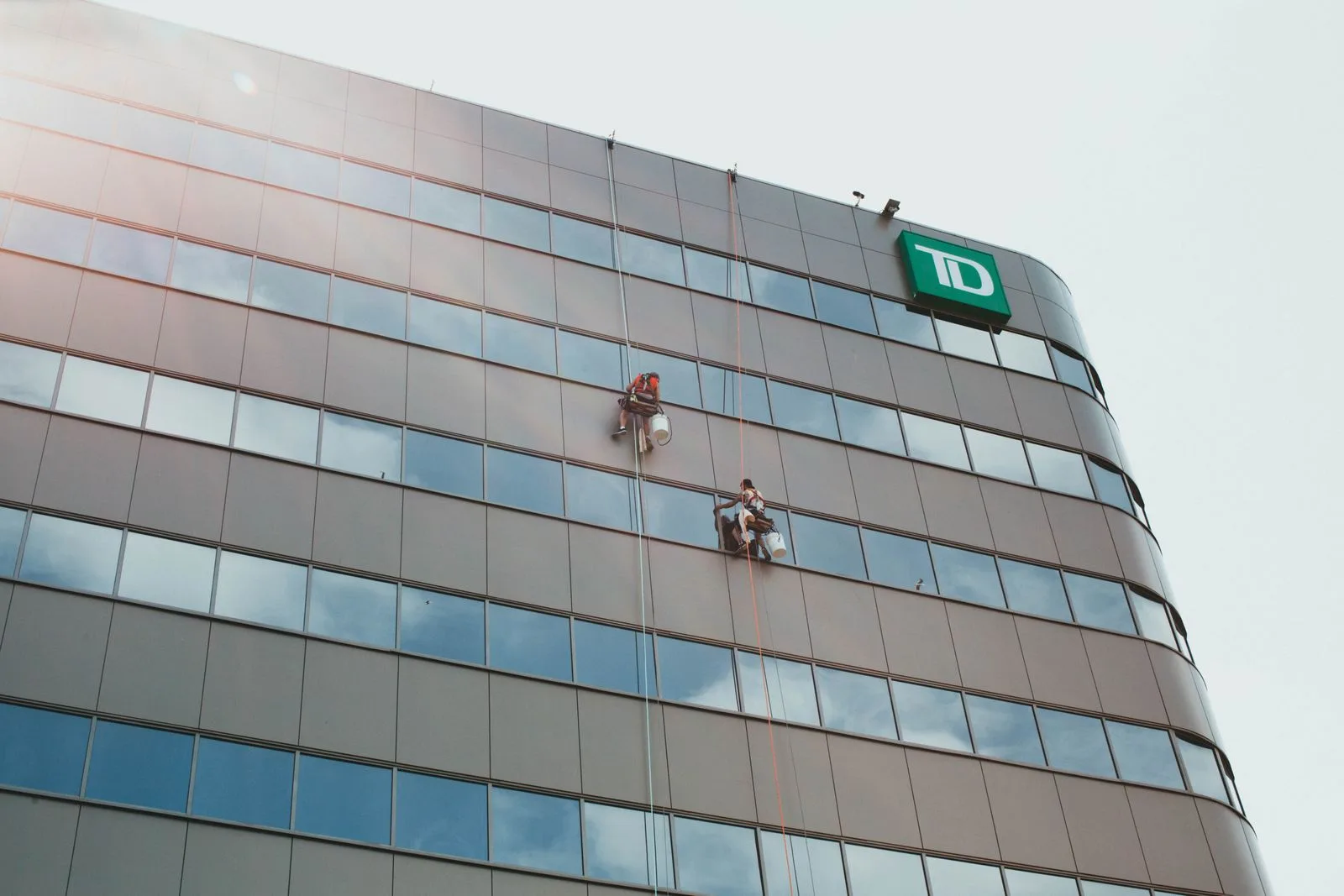
It is one of the safest exterior cleaning methods available because the entire operation is ground-based. Traditional high-rise window cleaning has one of the highest workplace injury rates of any trade; removing people from heights removes that risk entirely. Our operators are certified under Transport Canada drone regulations, carry liability coverage, and fly AI-stabilized aircraft with obstacle awareness. There is no scaffolding to erect, no swing stage to fail, and no rope access certification to maintain. Every operation also carries aviation-specific liability insurance and produces a flight log, so the safety case is documented, not just asserted. Ground crews are positioned with spotters and controlled zones, so pedestrians below are managed the same way any professional worksite manages them.
What can drones clean besides windows?+
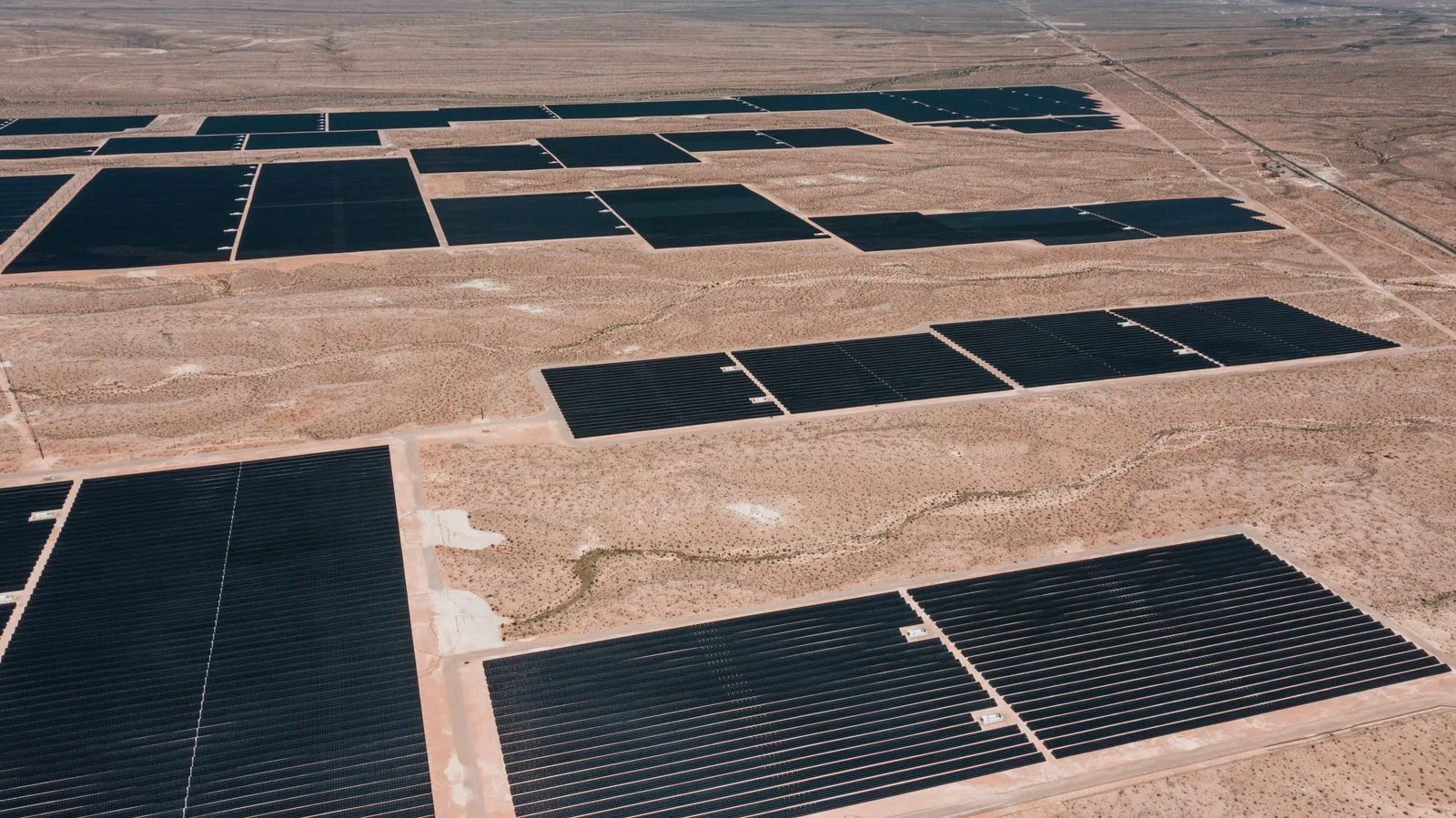
Drones clean a full range of building exteriors: glass facades and curtain walls, concrete and brick cladding, solar panels, roofs (soft wash), gutters, and parking-structure surfaces. The same ground-based approach that makes drone window cleaning attractive applies to commercial pressure washing and facade cleaning — anywhere height, access, or safety makes traditional methods slow or hazardous. Solar farms in particular benefit, since dirty panels can lose up to 25% of their output. Because one platform serves every surface, portfolio owners consolidate what used to be four vendor contracts into a single drone maintenance program with unified documentation. Graffiti removal on hard-to-reach surfaces and post-construction exterior dust-downs round out the service list for most commercial clients.
Do you offer drone solar panel cleaning?+
Yes. Soiled solar panels lose efficiency fast — dust, pollen, bird droppings, and snow can cut output by 15–25%. Our drones use soft-wash technology and minimal water to clean rooftop and ground-mount arrays without micro-scratching the glass. For large commercial and utility-scale solar farms, drone cleaning restores output in a fraction of the time of manual washing and keeps workers off rooftops and elevated racking. Cleaning triggers can be set from your inverter or SCADA soiling data, so panels are washed when the recovered output pays for the visit — not on an arbitrary calendar. Rooftop arrays are cleaned without any roof access at all — no permits, harness plans, or membrane waivers required for most buildings.
How does drone pressure washing differ from traditional pressure washing?+
Heavy-lift drones carry commercial pressure-washing systems to surfaces that crews normally reach with lifts or scaffolding — upper facades, parking structures, tanks, and industrial equipment. The cleaning power is comparable, but the access is transformed: no aerial work platforms, no lane closures, and no one working at height. For commercial pressure washing on multi-storey buildings, the drone approach is faster to deploy and avoids the cost and risk of elevated equipment. Sensors modulate pressure in real time against the surface, so fragile seals, signage, and coatings are protected even at commercial PSI ratings. Typical applications include parking structures, industrial tanks, loading docks, and upper facades that lifts cannot reach economically.
Are drone cleaning services available across Canada?+
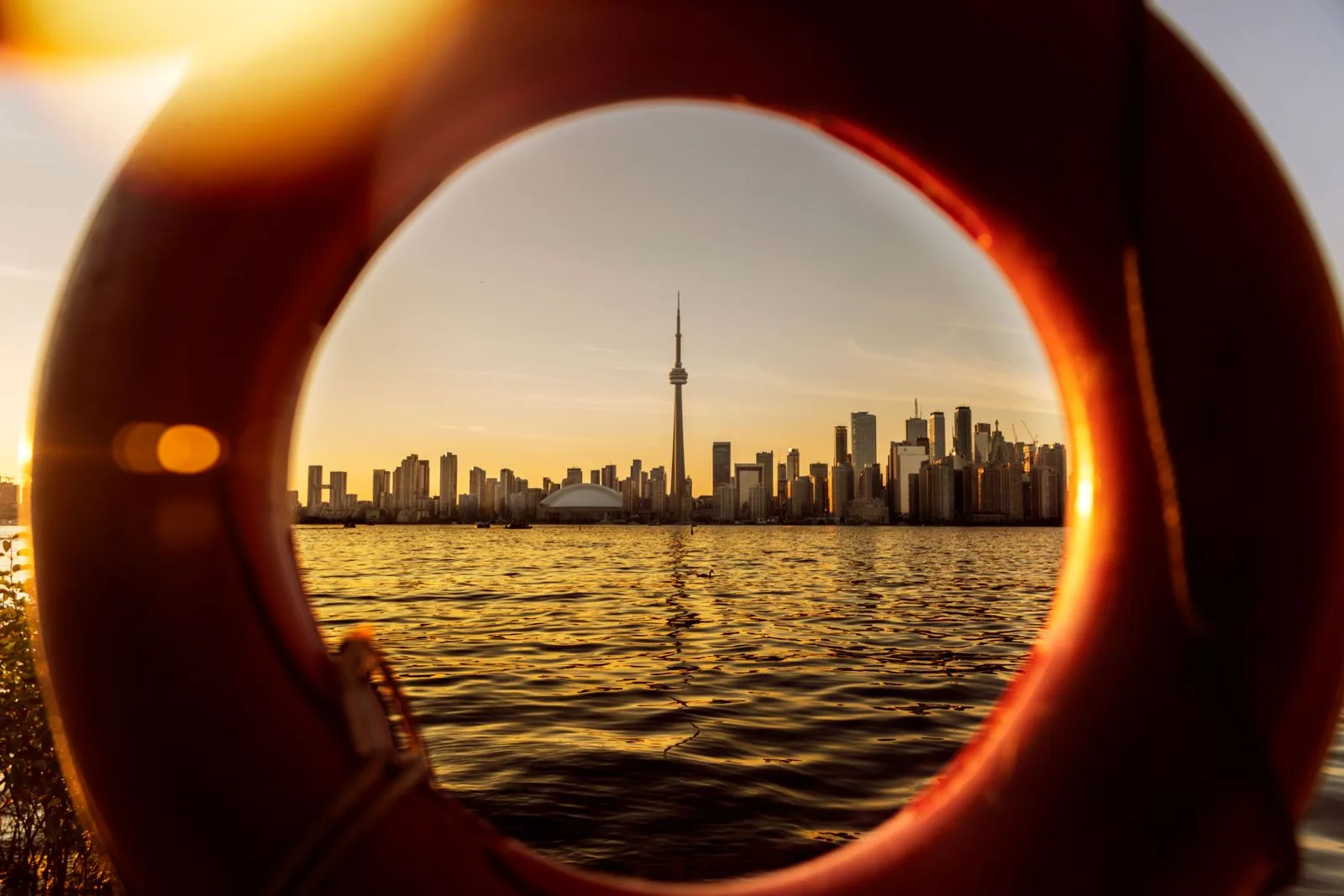
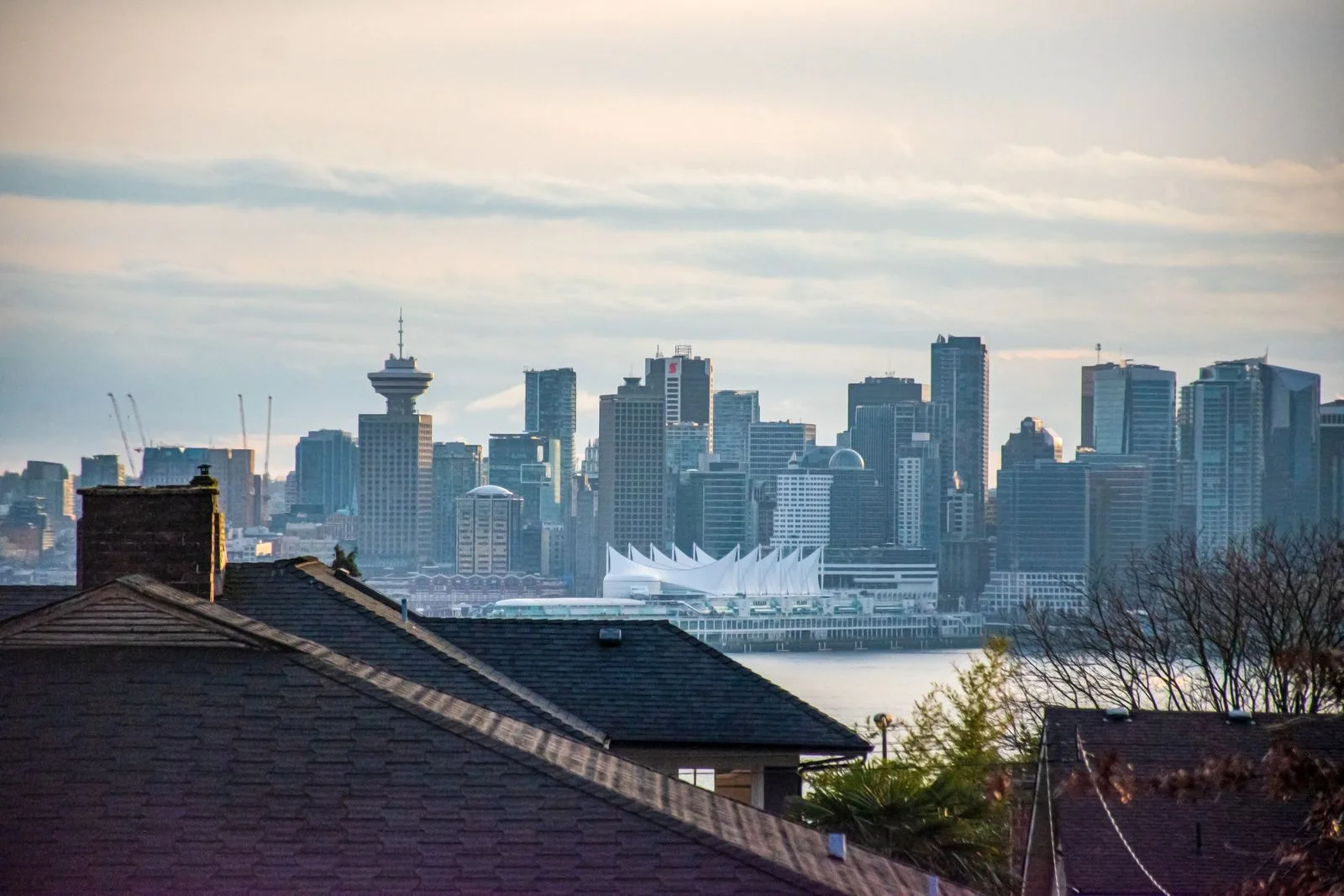
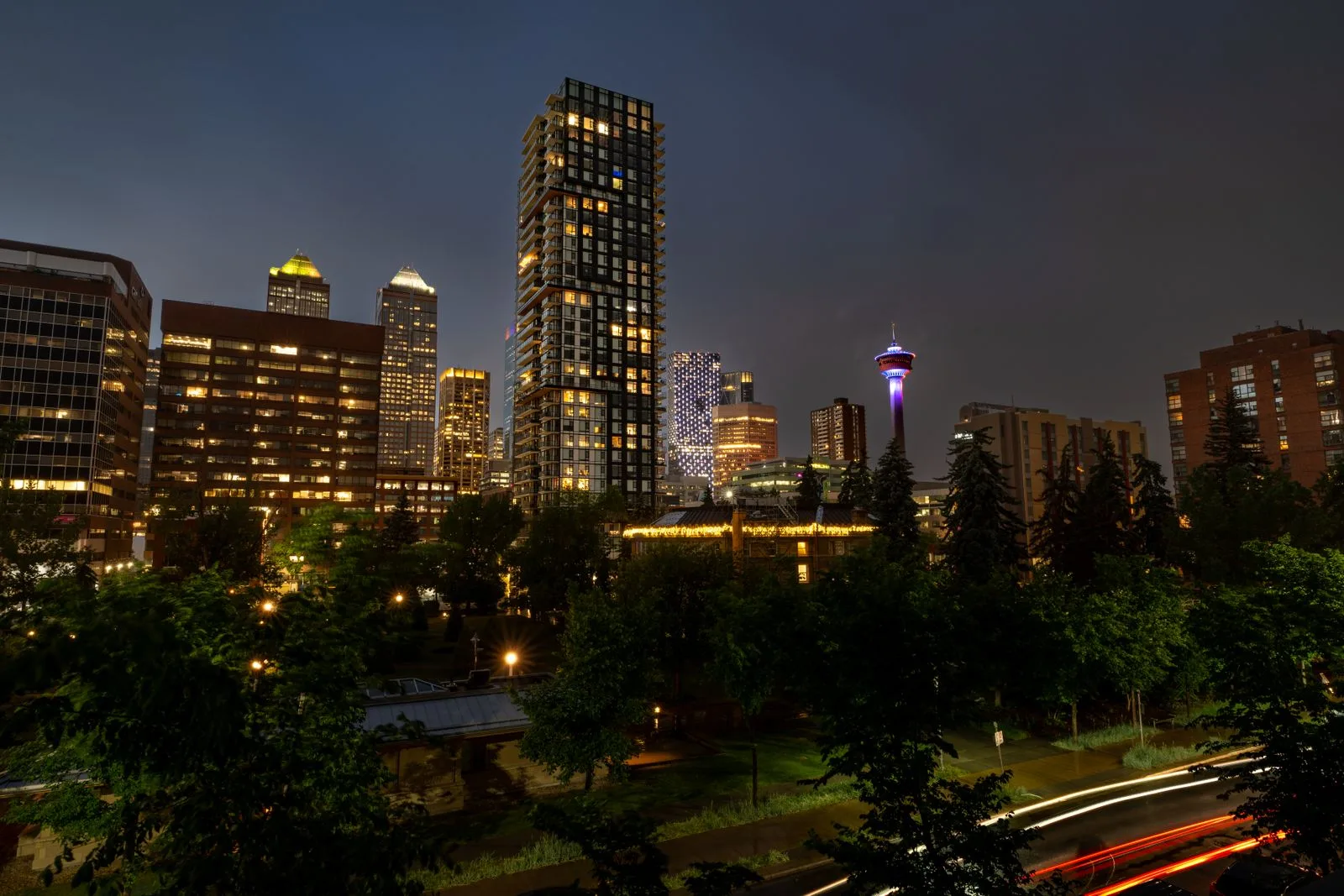
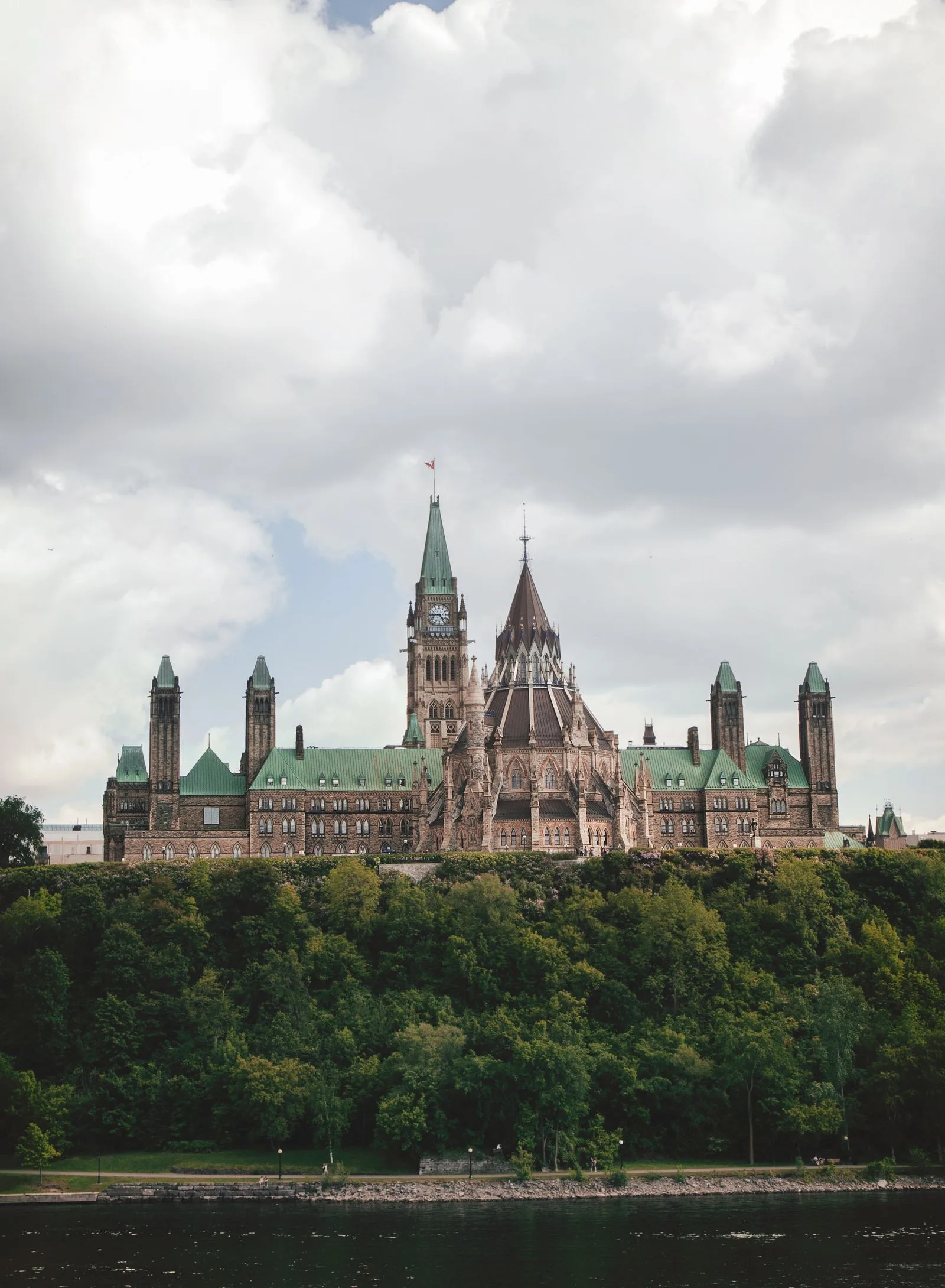
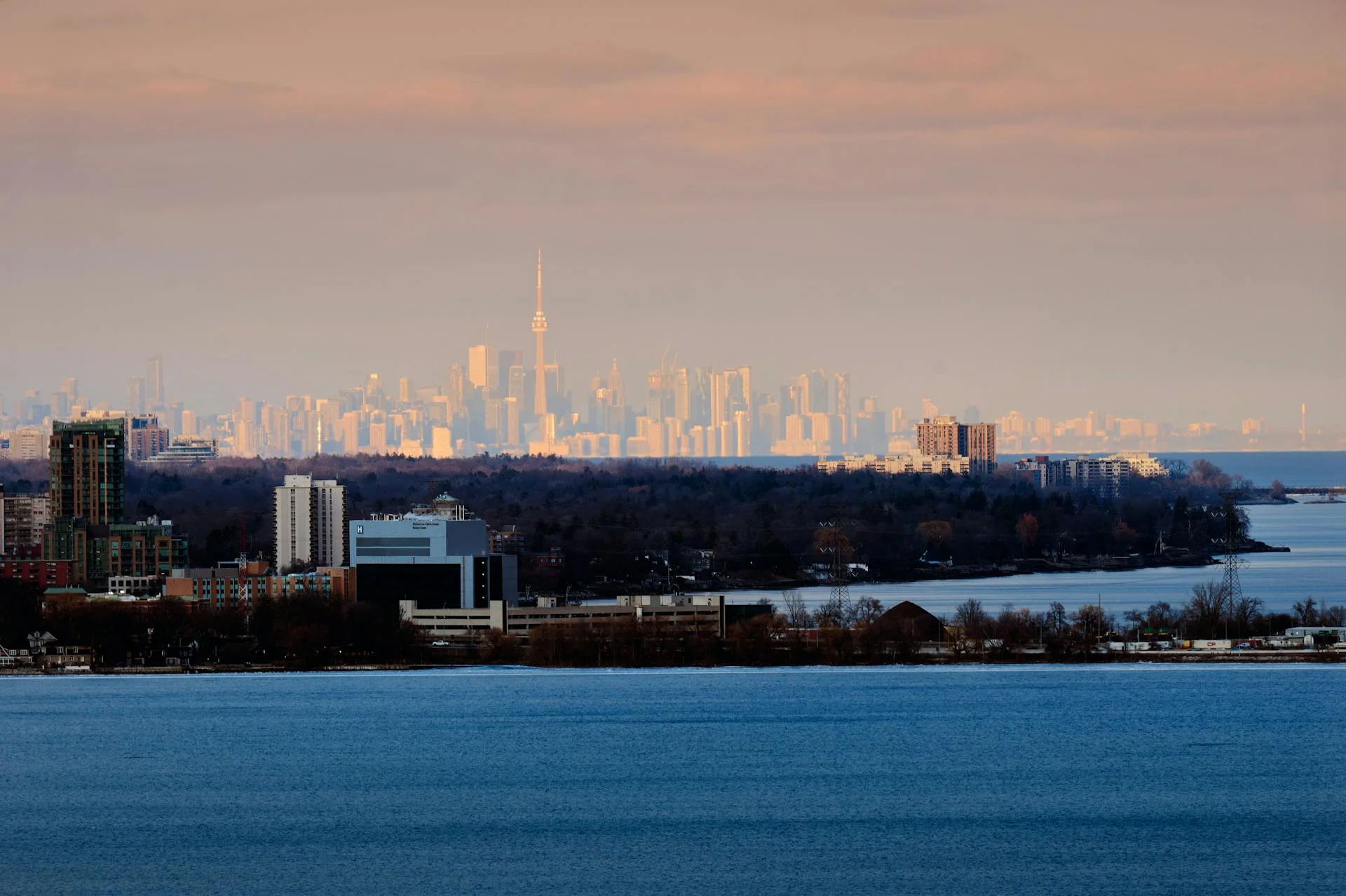
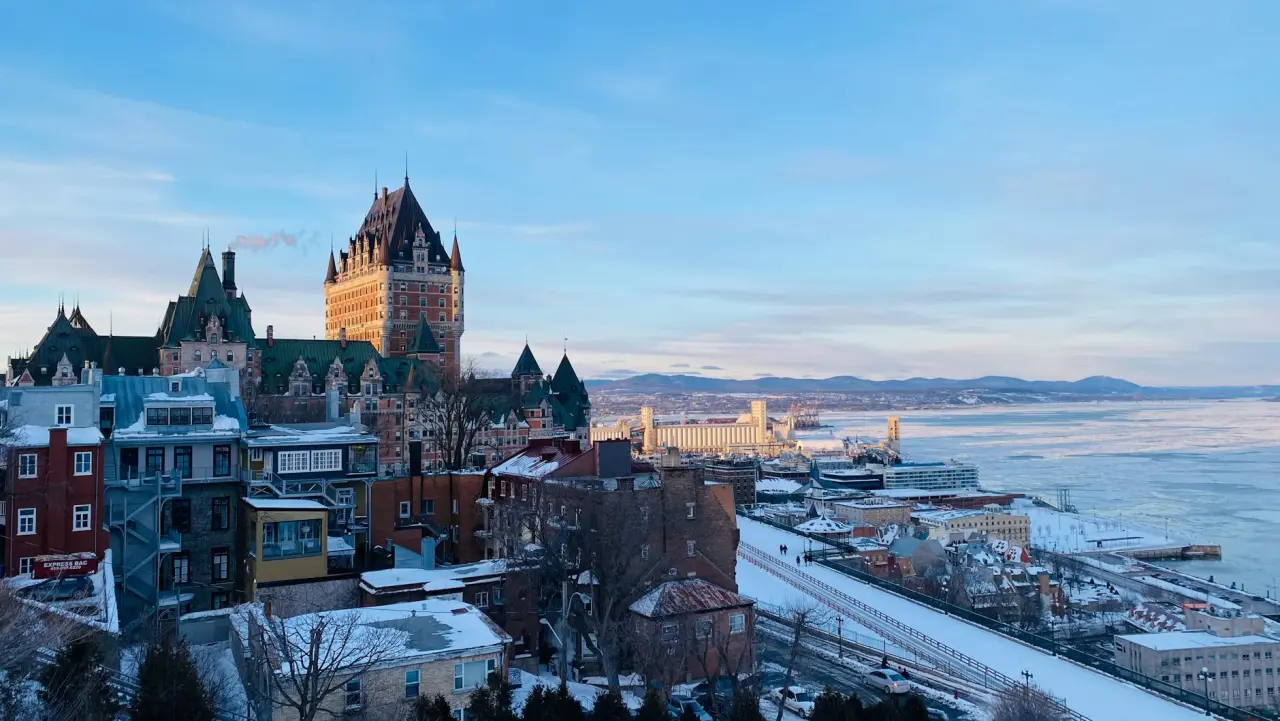
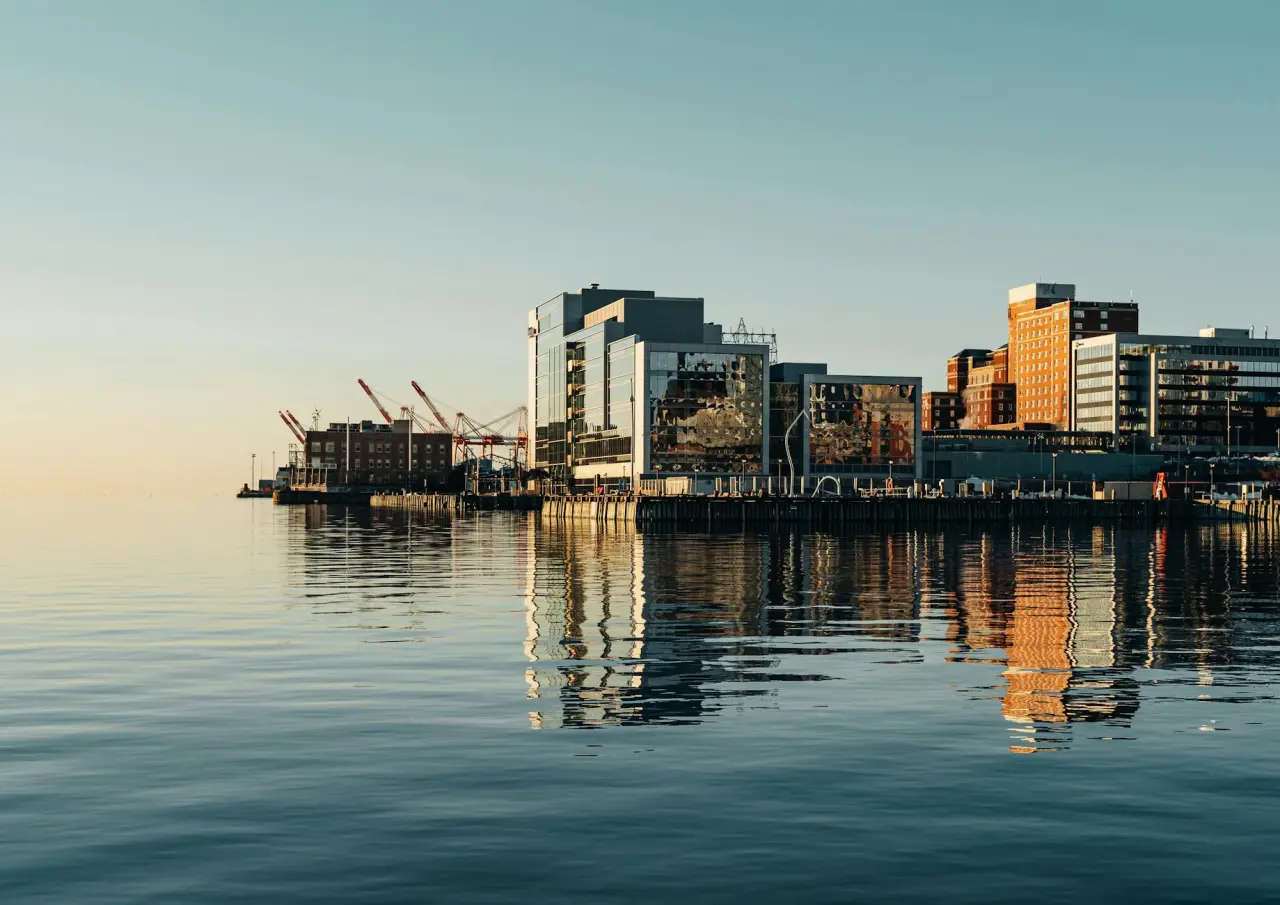
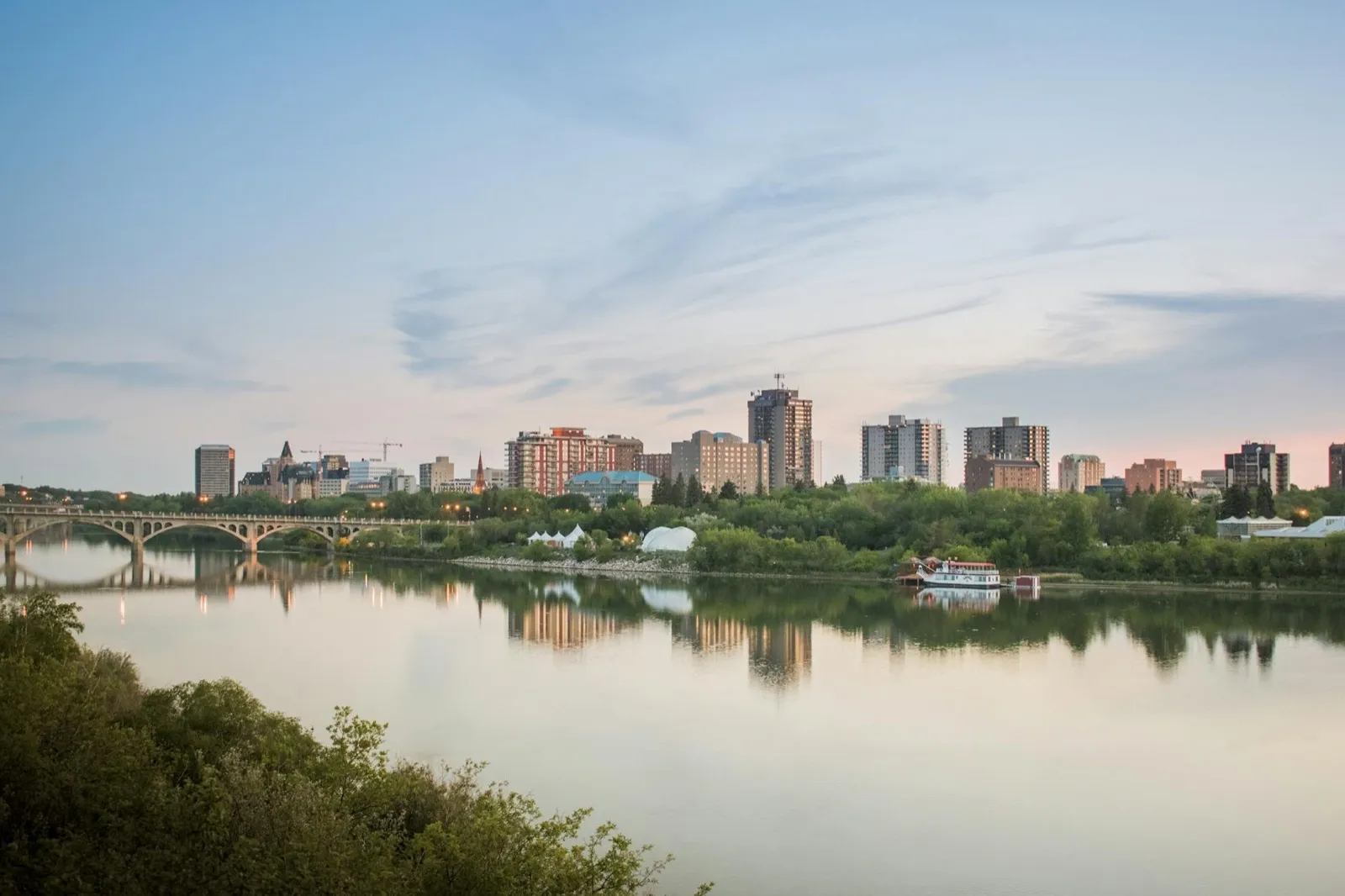
Yes. We coordinate drone exterior cleaning nationwide, with active coverage in major metros including Toronto, Vancouver, Calgary, Ottawa, and Montreal, and the ability to mobilize for commercial projects in other regions. Canada's dense stock of glass condos and office towers, combined with harsh winters that leave salt and grime on facades, makes drone cleaning especially well suited to the Canadian market. High-rise metros get standing coverage, and multi-city portfolio contracts are scheduled as regional rounds so every property lands on a predictable cleaning calendar. Coverage currently spans Toronto, Vancouver, Montreal, Calgary, Ottawa, Edmonton, Winnipeg, Hamilton, Quebec City, Halifax, and Mississauga, with mobilization available beyond.
Do I need to close my building or move tenants during cleaning?+
No. Drone cleaning is far less disruptive than scaffolding or swing stages. There is no equipment bolted to the building, no blocked entrances, and no weeks-long setup. Most commercial jobs are scheduled for off-hours or weekends, and because the work is fast, tenants and operations carry on with minimal interruption. This is one of the main reasons property managers choose drones for occupied office and condo towers. A one-page resident or tenant notice the day before is typically the only communication required, and balcony access requests are per-unit rather than building-wide. Most commercial jobs run outside business hours entirely, so the workday is simply never interrupted.
How long does a drone facade cleaning take?+
A facade that would take a rope-access crew one to three weeks is often completed in one to three days by drone, depending on building size and surface condition. Speed comes from eliminating setup — there is no scaffolding to build or swing stage to rig. AI flight planning maps the building in advance so the drone follows an optimal path, and a single operator can clean far more square footage per shift than a crew working at height. Weather delays are measured in hours rather than days, because a drone waits out a gust where a suspended crew loses the whole shift.
Is drone cleaning environmentally friendly?+
Yes. Drone systems use up to 80% less water than traditional methods, and many use purified water that requires little or no detergent to leave a spot-free finish. There is no diesel-powered lift idling on site and no chemical runoff from pressurized cleaning at height. For property owners with sustainability targets, drone exterior cleaning is a measurably greener choice than scaffolding, rope access, or aerial work platforms. Water consumption per square metre is documented per job, which sustainability teams can cite directly in ESG reporting. There is also no diesel lift idling on site for a week, which removes a surprisingly large share of a traditional job's footprint.
What types of buildings benefit most from drone cleaning?+
Commercial office towers, residential high-rise and condo buildings, solar farms, warehouses, and heritage buildings see the biggest benefit. Anywhere with large exterior surface area, significant height, or difficult access — exactly the buildings where commercial window cleaning, high-rise window cleaning, and facade cleaning are most expensive and hazardous by traditional means — is where drones deliver the most cost and safety savings. The common thread is access cost: wherever staging, lifts, or rope work dominate the old quote, drones remove that line entirely. If your last exterior quote included scaffolding, swing stages, or lane closures, your building is in the category that benefits most.
Are your drone operators certified and insured?+
Yes. Every operation is run by pilots certified under Transport Canada's Remotely Piloted Aircraft System (RPAS) regulations, and our work carries commercial liability coverage. We handle the airspace authorizations, site safety planning, and any required notifications. You get the documentation and an HD video inspection record of the completed work, so building owners and property managers have a clear compliance trail. Certificates, authorizations, and insurance documents are provided with every proposal — a professional operation can produce all of them in minutes, and you should ask. For buildings inside airport control zones, we also hold the NAV CANADA authorizations that most drone services cannot obtain.