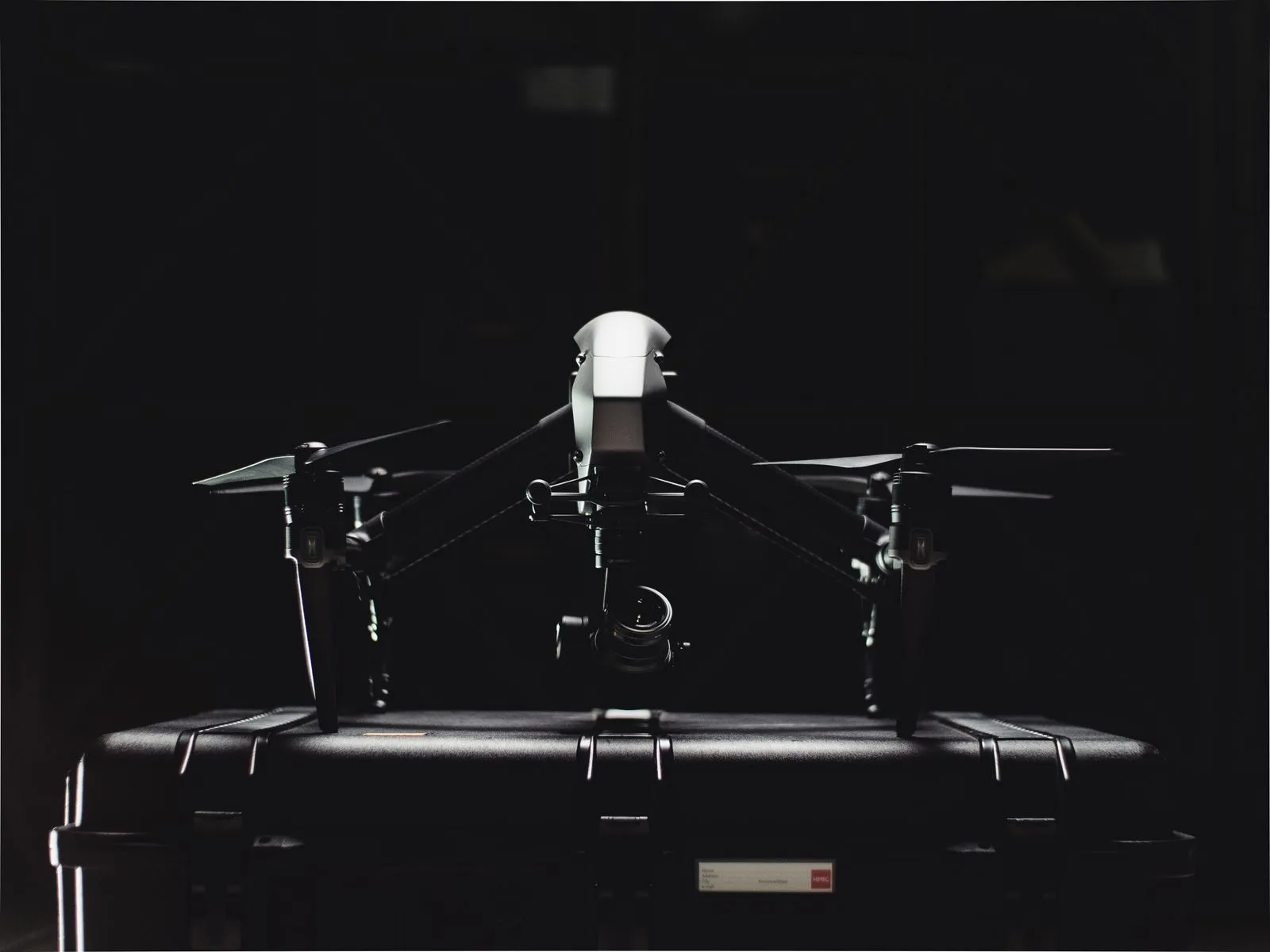
How artificial intelligence and autonomous drones are creating a $30B industry that will reshape how we maintain our built environment.
From event to program
The deepest change drones bring to building maintenance is not the flying — it is the shift from maintenance as an event to maintenance as a program. When cleaning the envelope cost $50,000 and a month of disruption, buildings did it annually and inspected almost never. When it costs a quarter of that and a few quiet days, the rational schedule becomes continuous: clean quarterly, inspect on every flight, catch failures while they are small. The building envelope stops being a black box between capital projects.
Inspection as a by-product
Every cleaning flight already captures close-range 4K imagery of every square metre it touches. Treated seriously, that is a rolling condition survey: sealant joints, glazing gaskets, anchor corrosion, membrane ponding, masonry cracking — all documented at a frequency no human inspection program could afford. The near future adds thermal sensors on the same flights, mapping heat loss and moisture intrusion while the surface dries. Owners will look back at annual binocular inspections the way we look at paper fax logs.
Autonomy is coming in layers
Today a certified pilot supervises every flight. The regulatory pathway already forming — beyond-visual-line-of-sight approvals, safety-assured aircraft categories, standing site authorizations — points to campus-scale programs where drones fly scheduled maintenance routes under remote oversight. A logistics park cleans and inspects itself overnight, every month, and files its own condition report. The technology exists; the rules are catching up on a published timetable.
What it does to budgets
Facility budgeting has always oscillated between deferral and crisis: skip cleaning for years, then discover the capital project that neglect grew. Programmatic drone maintenance flattens that curve — modest recurring costs, continuous condition data, and repairs scheduled competitively instead of urgently. CFOs get something exterior maintenance has never offered: predictability. Insurers are beginning to notice the same thing; documented continuous maintenance is a materially better risk than episodic contractor visits.
The labour story is better than feared
The trades conversation matters. Drone cleaning does not delete jobs so much as relocate them from ropes to ground stations — pilots, technicians, water-systems operators, data reviewers. The dangerous half of the trade disappears; the skilled half multiplies its coverage. A two-person ground crew now maintains the envelope area that once needed eight people and a month of rigging, and both of them go home dry every night.
Where this lands by 2030
Expect envelope maintenance to look like elevator maintenance does today: contracted, continuous, sensor-informed, and boring. Buildings will carry digital envelope twins updated on every flight. Cleaning, inspection, and minor treatment will merge into a single recurring service. And the buildings that adopted early — with years of condition data banked — will price their assets on evidence their competitors cannot match. The future of building maintenance is not dramatic. It is simply managed.
Key takeaways
The trajectory is from event to program: cleaning that costs a quarter of the old price gets scheduled quarterly, every flight doubles as a condition survey, and the building envelope becomes continuously documented instead of periodically guessed at. Autonomy will arrive in regulatory layers — standing authorizations first, supervised routine flights next — and budgets will flatten from crisis-driven to predictable. The labour shifts from ropes to ground stations rather than disappearing. Owners who start banking envelope data now will hold an evidence advantage when buildings are priced, insured, and audited on maintenance history. The endgame looks like elevator service: contracted, continuous, and unremarkable — which for a building envelope is exactly the goal.